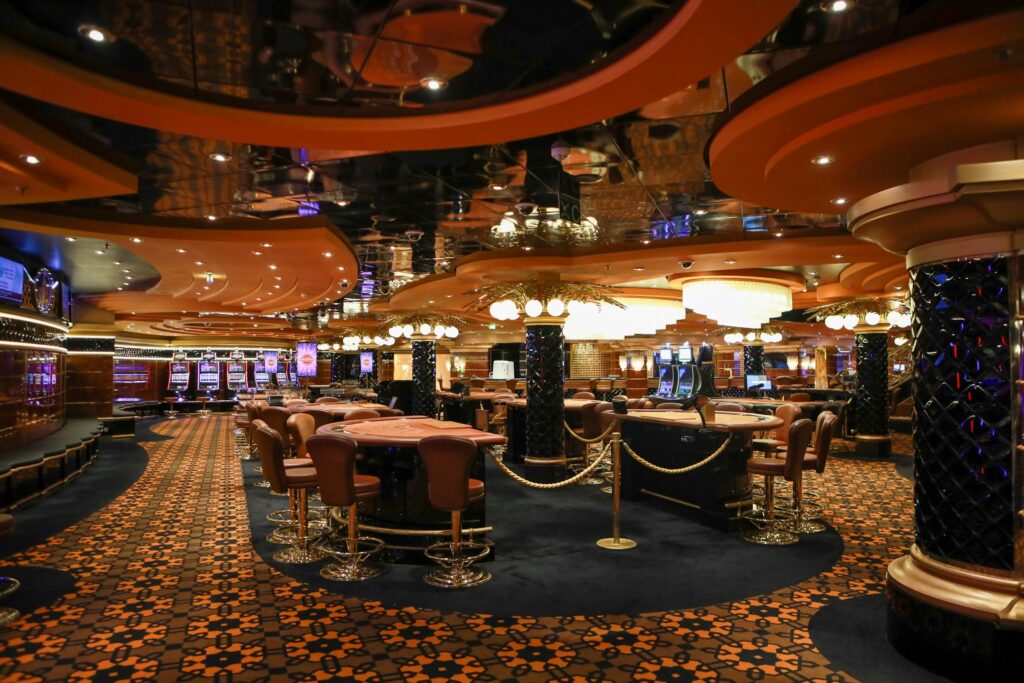
The design of a physical casino is anything but random. Every light fixture, hallway, carpet pattern, and sound cue has a psychological purpose—whether it’s to relax, excite, disorient, or encourage longer play. These environments are masterclasses in behavioural influence, using space and stimuli to guide player decisions. As the casino industry moves increasingly online, the same psychological tactics are being re-engineered for the digital world. Developers and UX designers now use virtual equivalents of physical strategies to replicate—and often improve—user immersion. Everything from page flow to pop-up placement is crafted to maximise time on site and deepen engagement. To understand how broader design choices in the gaming world shape user perception and behaviour, take a look at vgleaks.com. Their insights on colour, layout, and interaction reveal exactly why today’s online casino experiences feel so irresistibly immersive.
Digital Mazes: Encouraging Exploration Without Overwhelm
In brick-and-mortar casinos, deliberately complex layouts prevent players from easily finding exits or retracing steps—encouraging them to keep wandering (and playing). Online, the concept of physical disorientation transforms into guided discovery. Features such as infinite scroll, expandable menus, and dynamically curated game carousels lead players through an experience that feels endless. “New arrivals”, “top picks”, and AI-generated suggestions serve as digital signage, drawing attention and enticing users to try “just one more” option.
Time Removal Tactics: Creating a Boundless Digital Experience
One of the oldest tricks in the land-based casino playbook is removing all sense of time—no clocks, no windows, no day or night. Online casinos apply this subtly, using full-screen gameplay, dark mode design, and immersive visuals to blur real-world boundaries. Even the pace of interaction is controlled: loading screens are minimised, transitions are smooth, and continuous play is often the default. These seamless flows discourage breaks and create the illusion of timeless entertainment.
Recreating Atmosphere Through Audio-Visual Design
Although online platforms lack the physical sensations of a casino floor, they work hard to replicate the emotional thrill. Sound and motion play a vital role. Win animations, jackpot sirens, coin drops, and visual sparkles all combine to give users the same dopamine-driven buzz they’d get in a live setting. Some sites even add ambient sounds—like muffled chatter or background music—to simulate presence and raise the sense of authenticity. These sensory cues aren’t just decorative—they drive user engagement by stimulating the same mental triggers used in physical casinos.

Virtual VIP Treatment: Crafting Digital Loyalty Journeys
Physical casinos thrive on status systems—VIP lounges, loyalty cards, complimentary drinks. Online casinos offer similar psychological reinforcement through personalised dashboards, tiered rewards, and achievement badges. Regular players might unlock exclusive bonuses, faster withdrawals, or unique avatars—mirroring the idea of gaining status through play. These digital incentives tap into players’ desire for recognition and reward, making the platform not just a place to play, but a place to belong.
Conclusion: Psychological Design Without Borders
The online casino experience is more than a technical replica of its physical counterpart—it’s a reimagined evolution. By translating proven psychological strategies from floor plans to digital interfaces, today’s casino platforms create an environment that feels engaging, exciting, and immersive at every turn. It’s no coincidence that players feel “at home” on a well-designed site—it’s the result of deliberate, thoughtful design that guides them from curiosity to loyalty without ever missing a beat.